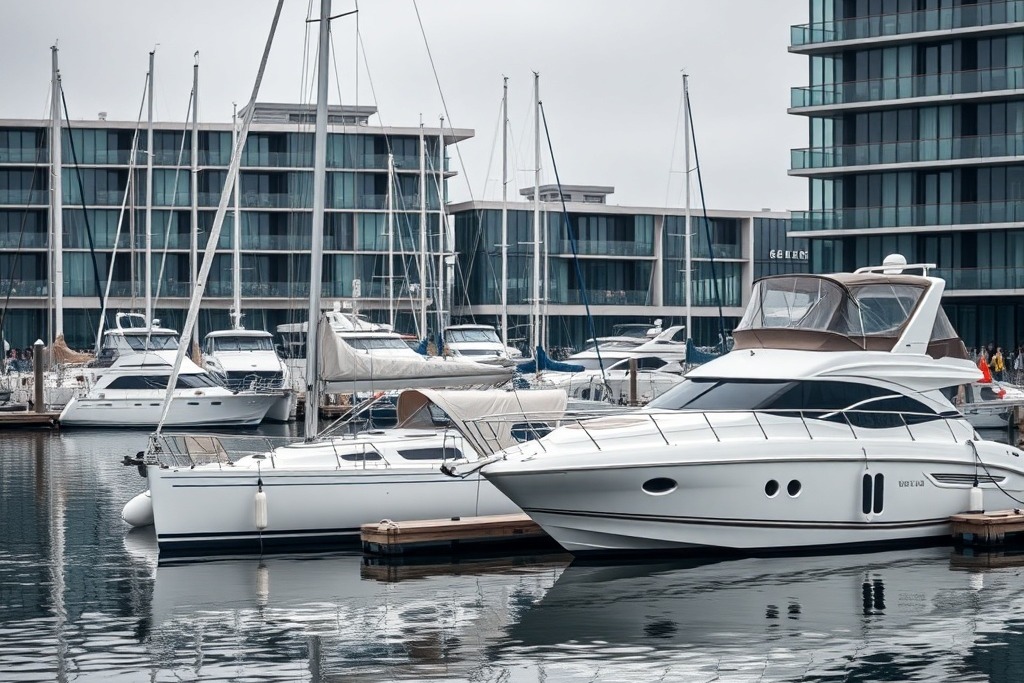
Sailboat vs motorboat is a decision about operating style, cost structure, and lifestyle priorities: sailboats trade speed for skill and quiet efficiency, while motorboats trade complexity for fast, convenient movement.
Both can be excellent choices. The wrong choice happens when buyers focus on aesthetics and ignore the day-to-day reality of training, maintenance, range planning, and how they actually want to spend time on the water. If you compare the right variables first, the decision becomes much clearer.
Core Difference in One Sentence
A sailboat rewards technique and patience with lower fuel dependence and a slower rhythm; a motorboat delivers speed, control simplicity, and easier short-trip utility at higher fuel and engine-service cost.
Cost Comparison: Purchase and Ownership
Upfront purchase
Both categories span huge price ranges, but equivalent-condition motorboats in popular family sizes often cost more when engine package and electronics are included.
Fuel and operating profile
Motorboats consume significantly more fuel, especially at cruising speed. Sailboats can reduce fuel usage materially because wind provides primary propulsion in suitable conditions.
Maintenance profile
- Sailboat: rigging, sails, deck hardware, plus auxiliary engine service
- Motorboat: engine-heavy maintenance, propulsion and fuel-system focus
Neither is “maintenance free.” The workload is simply different.
Skill and Learning Curve
Sailboat learning path
Sailing requires understanding wind angle, sail trim, points of sail, docking under variable conditions, and weather judgment. The learning process is rewarding but real.
Motorboat learning path
Motorboats are generally quicker to learn for basic operation: throttle, trim, docking technique, and navigation awareness. Beginners usually reach functional confidence faster.
Range, Speed, and Trip Planning
Motorboat advantage: speed and schedule certainty
If you need to reach destinations quickly or follow tight schedules, motorboats are superior. They are ideal for frequent short outings and high-mobility plans.
Sailboat advantage: endurance and pace
Sailboats can cover meaningful distance with reduced fuel dependence when wind conditions cooperate. Travel is slower, but often more immersive and less engine-centric.
Maintenance Reality by Lifestyle
If you want low-friction weekends
Motorboats are often easier for “go now” usage. Start, warm up, depart. The tradeoff is higher fuel and powertrain servicing over time.
If you enjoy process and seamanship
Sailboats suit owners who value technique, trim optimization, and strategic route choices. Ownership feels more participatory, less appliance-like.
Social and Family Fit
Motorboat strengths
- Better for quick watersports and multi-stop day plans
- Easier for guests with no boating background
- Predictable timing for family schedules
Sailboat strengths
- Quiet, conversational deck environment
- Strong fit for owners who enjoy slower travel
- High engagement for kids interested in seamanship skills
Who Should Choose a Sailboat?
- You enjoy learning technical skills and weather strategy
- You value quiet cruising over speed
- You can commit to practice and rigging discipline
- Your typical trips are not schedule-critical
Who Should Choose a Motorboat?
- You prioritize quick departures and faster transit
- You run short family outings with tight time windows
- You prefer lower handling complexity at beginner stage
- You are comfortable with higher fuel/engine operating cost
Decision Framework (5 Questions)
- How much time per outing do you realistically have?
- Do you enjoy technical learning, or prefer immediate convenience?
- Is your budget more sensitive to fuel spend or equipment upkeep?
- Do you boat mostly in stable fair-weather windows or variable conditions?
- Will your primary use be social day trips, or seamanship-focused cruising?
If most of your answers favor speed, predictability, and short windows, choose motorboat. If they favor process, lower fuel dependence, and skill-building, choose sailboat.
Final Verdict
There is no universal winner. Sailboats and motorboats optimize different experiences. The right boat is the one you will actually use often, safely, and within budget. Build your decision around real habits—not aspirational identity—and ownership will feel rewarding instead of frustrating.
FAQ
Is sailing cheaper than motorboating?
Fuel costs are usually lower on sailboats, but rigging, sails, and upkeep can offset part of that advantage.
Which is easier for beginners?
Motorboats are generally easier to operate early on. Sailing has a steeper but rewarding learning curve.
Can a sailboat be used like a weekend day boat?
Yes, but setup and handling workflow is less instant than many motorboats, especially for short trips.
Which option is better for families?
Depends on family style: motorboats for convenience and activity density, sailboats for quieter shared cruising and skill-building.
Should I buy before trying both?
No. Chartering each type first is the fastest way to avoid an expensive mismatch.
Quick Reality Check Before You Commit
Rent each format at least once in your usual boating area. Test docking in moderate traffic, evaluate passenger comfort, and track real fuel spend for your expected route length. Most buyers decide confidently after this practical comparison because assumptions become measurable facts.
If your goal is frequent short outings, motorboat utility usually wins. If your goal is process, seamanship, and lower fuel dependency, sailboat ownership is often more satisfying long term.
Training Path That Reduces Risk
Whichever type you choose, take a structured course early. Motorboat owners benefit from docking and close-quarters handling drills. Sailboat owners benefit from sail trim and weather reading fundamentals. Training shortens the stress period and protects your crew and boat in busy marinas.