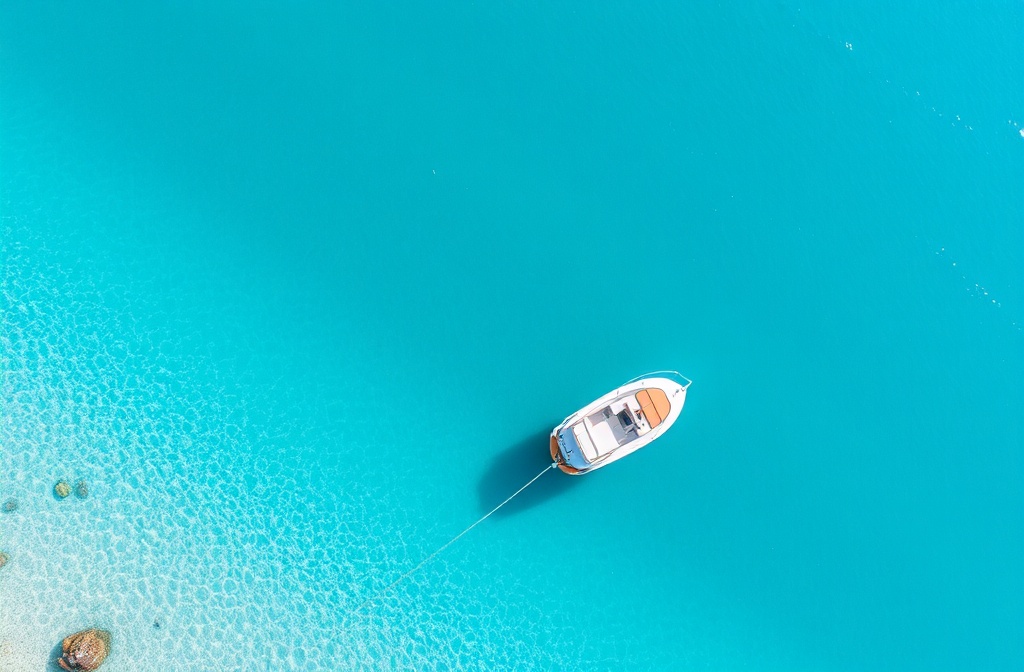
Anchoring a boat is the act of securing a vessel in a fixed position using a weighted device — the anchor — connected to the boat by a chain or rope (rode) that grips the seabed. Mastering this skill is fundamental to safe boating: a well-set anchor holds you in place during stops, overnight stays, and emergencies, while a poorly set one can cause a drifting vessel and serious accidents.
Anchor Types and When to Use Them
Different bottom conditions call for different anchor designs. Choosing the right one is your first critical decision.
- Fluke/Danforth anchor: Lightweight and effective on sand or mud bottoms. Ideal for day anchoring on smaller boats up to 30 feet.
- Plow/CQR anchor: Pivoting design resets automatically when wind or current shifts. Best for mixed bottoms and overnight stays.
- Claw/Bruce anchor: Sets quickly in most conditions including rock and weed. Popular on powerboats and mid-size cruisers.
- Mushroom anchor: Only suitable for soft mud — commonly used for permanent moorings, not general boating.
- Rocna/Spade (modern roll-bar anchors): High-holding-power designs that self-right and reset reliably. The go-to for bluewater cruisers and serious sailors.
The Anchoring Process Step by Step
1. Choose Your Anchorage
Look for a protected bay or cove with adequate depth at low tide — typically 6–15 feet for most recreational boats. Check the chart for bottom composition (sand and mud hold best), confirm you’re clear of shipping lanes, and give other anchored boats a wide berth. Account for the full swing circle your boat will make as wind and current shift.
2. Calculate Your Scope
Scope is the ratio of rode length to water depth (measured from the bow cleat to the seabed). The standard minimum for calm conditions is 5:1 — if you’re in 10 feet of water with a bow cleat 3 feet above the waterline, you need at least 65 feet of rode. In wind above 15 knots, go to 7:1 or more. More scope = more holding power.
3. Deploy the Anchor
Approach your chosen spot heading into the wind or current — whichever is stronger. Stop forward motion completely, then lower (don’t throw) the anchor to the bottom. As the boat drifts back, pay out the rode evenly. Once you’ve reached your target scope, cleat off the line and allow the anchor to set naturally. You’ll feel a slight jerk through the boat as the flukes bite.
4. Verify the Set
Take two or three fixed bearings on shoreside landmarks or use your GPS chartplotter to mark your position. After 5–10 minutes, check that those bearings haven’t changed. If you’re dragging, the bearings will shift consistently in one direction. Re-anchor immediately if the set feels uncertain — never rely on a marginal hold.
5. Set an Anchor Watch
Conditions change. Wind can clock 180 degrees overnight, and a tide shift increases effective depth and reduces scope ratio. Use a dedicated anchor alarm app or your chartplotter’s anchor alarm feature, set to trigger if you move more than 50–75 feet from your set position.
Retrieving the Anchor
Motor slowly toward the anchor while taking up the slack rode. Once you’re directly above it, cleat off and allow the boat’s buoyancy to break the anchor free — this is usually enough. If it’s stuck, tie off the rode to a strong cleat (not your hands) and use the boat’s forward momentum in short bursts. A trip line attached to the anchor crown can be invaluable in foul ground.
Common Anchoring Mistakes
- Insufficient scope: The single most common cause of dragging. When in doubt, let out more rode.
- Throwing the anchor: This tangles the chain and prevents a proper set.
- Not accounting for tidal swing: Low tide depth is what matters for clearance, but your swing circle changes with current direction.
- Anchoring too close to others: Their scope and your scope together can create dangerous overlap.
- Ignoring bottom type: Rocky or heavily weeded bottoms require specific anchor designs. A Danforth in thick kelp will never set.
FAQ
How much chain do I need on my anchor rode?
For boats under 40 feet, 20–30 feet of chain is the practical standard. Longer chain improves the catenary angle (keeping pull horizontal) and resists abrasion, but adds significant weight. Most coastal cruisers run a chain-rope combination rather than all-chain unless they anchor frequently in rough conditions.
Can I anchor in any depth of water?
Technically yes, but practically you’re limited by rode length and boat size. Most recreational anchoring happens between 8 and 40 feet. Very shallow water risks grounding at low tide; very deep water requires excessive rode that’s difficult to handle and creates a poor scope angle.
What’s a Bahamian moor and when should I use it?
A Bahamian moor uses two anchors deployed in opposite directions to limit your swing circle. It’s useful in narrow anchorages, tidal rivers with reversing currents, or crowded anchorages where a full swing circle would bring you into contact with other boats. It requires more setup time but dramatically reduces swing.
How do I know if I’m dragging anchor?
Set GPS bearings immediately after anchoring and check them regularly. Physical signs of dragging include a change in engine noise if you’re using a motor to hold, vibration through the rode, or visual movement relative to landmarks. Any GPS anchor alarm set to 50–75 feet provides an automated safety net.
Should I use an anchor buoy?
A buoy attached to the anchor crown via a trip line is useful in rocky or foul-ground anchorages — it gives you a way to pull the anchor free from the opposite direction if it gets caught. In busy anchorages, however, a trip line can create a propeller hazard for other boats. Use one when the bottom warrants it, not as standard practice.