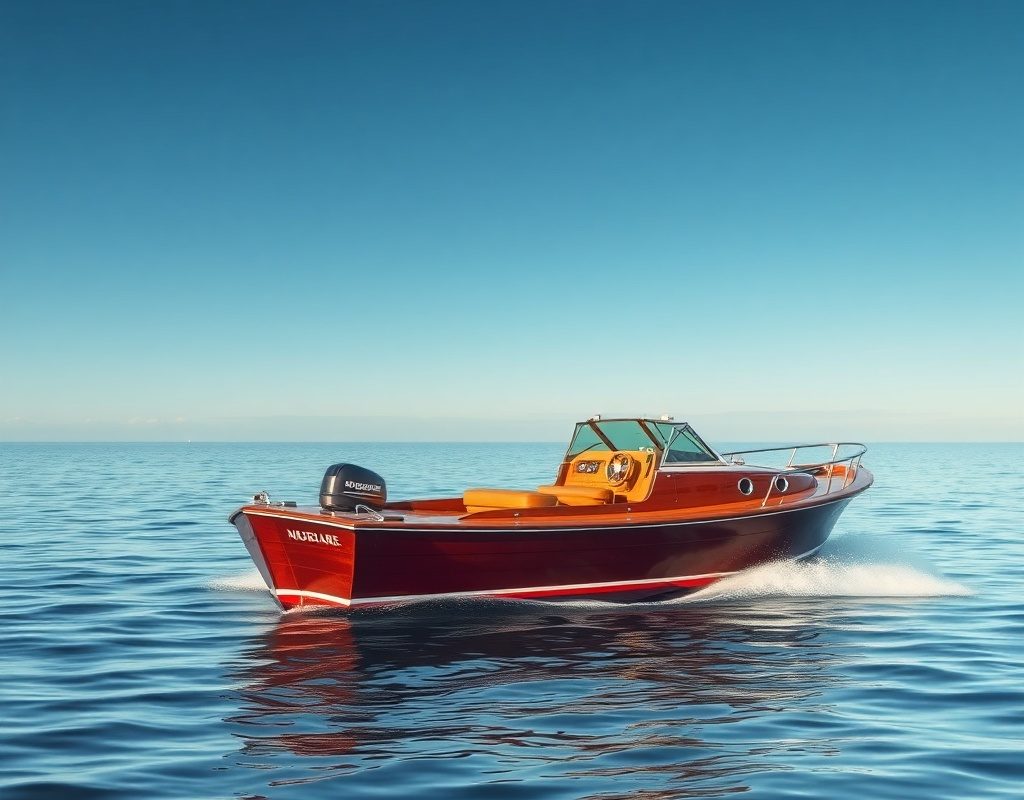
Motorboats are powered vessels designed for speed, range, utility, and convenience. They cover everything from small open runabouts to fishing boats, cabin cruisers, trawlers, sport yachts, and large motor yachts. What connects them is simple: propulsion comes from an engine rather than sails or human power.
What are motorboats used for?
Motorboats are used for recreation, transport, fishing, watersports, cruising, commercial work, rescue operations, and yacht ownership. A small bowrider may be perfect for weekend family trips, while a pilothouse cruiser can handle longer coastal passages with weather protection and overnight accommodation.
The biggest advantage is control. A motorboat can leave the dock on schedule, maintain speed without wind, and cover more distance in less time than most sailboats of similar size.
A brief history
Early motorboats appeared as internal-combustion engines became small and reliable enough for marine use. At first they were experimental launches and racing craft. As engines improved, motorboats became practical for work and leisure. Fiberglass construction later made production boats easier to build in large numbers, while modern outboards, sterndrives, diesel inboards, and electronic controls expanded the market even further.
Today, motorboats range from simple aluminum fishing boats to high-performance offshore machines and luxury yachts with stabilizers, joystick docking, navigation suites, and hotel-like interiors.
Main types of motorboats
- Runabouts and bowriders: simple day boats for family use, swimming, and short trips.
- Center consoles: open fishing and utility boats with walkaround access.
- Cuddy cabins: compact boats with small sleeping or storage space forward.
- Cabin cruisers: boats with accommodation, galley space, and longer-range capability.
- Trawlers: efficient displacement or semi-displacement cruisers for relaxed long-distance travel.
- Motor yachts: larger comfort-focused boats for coastal cruising, entertaining, and extended stays aboard.
Advantages
Motorboats are convenient, flexible, and accessible. They can be easy to learn at smaller sizes, and there is a model for almost every budget and use case. They also make watersports, fishing, short-distance travel, and family cruising straightforward because the engine provides predictable speed and maneuverability.
Modern equipment adds even more convenience: GPS chartplotters, fishfinders, trim tabs, bow thrusters, autopilot, radar, and digital engine monitoring can make operation safer and less stressful.
Disadvantages
The main downside is operating cost. Fuel, maintenance, storage, insurance, winterization, and engine service can add up quickly. Motorboats also create more noise and emissions than sailboats, and they depend heavily on mechanical reliability.
Ride quality varies widely. A boat that feels fast and exciting on flat water may pound in chop if the hull is not suited to your area. Buying the wrong hull for your conditions is one of the most common mistakes new owners make.
How to choose the right motorboat
- Start with the water you use most: lakes, rivers, bays, offshore, or coastal cruising.
- Decide whether you need fishing space, overnight accommodation, watersports capability, or family seating.
- Check engine hours, service history, hull condition, electrical systems, and trailer or marina logistics.
- Estimate annual costs before buying, not after the first repair bill arrives.
- Take a sea trial in realistic conditions whenever possible.
Bottom line
A motorboat is the right choice when you want range, speed, and easy scheduling. The best boat is not the biggest or fastest one; it is the one matched to your water, crew, storage, budget, and maintenance tolerance.