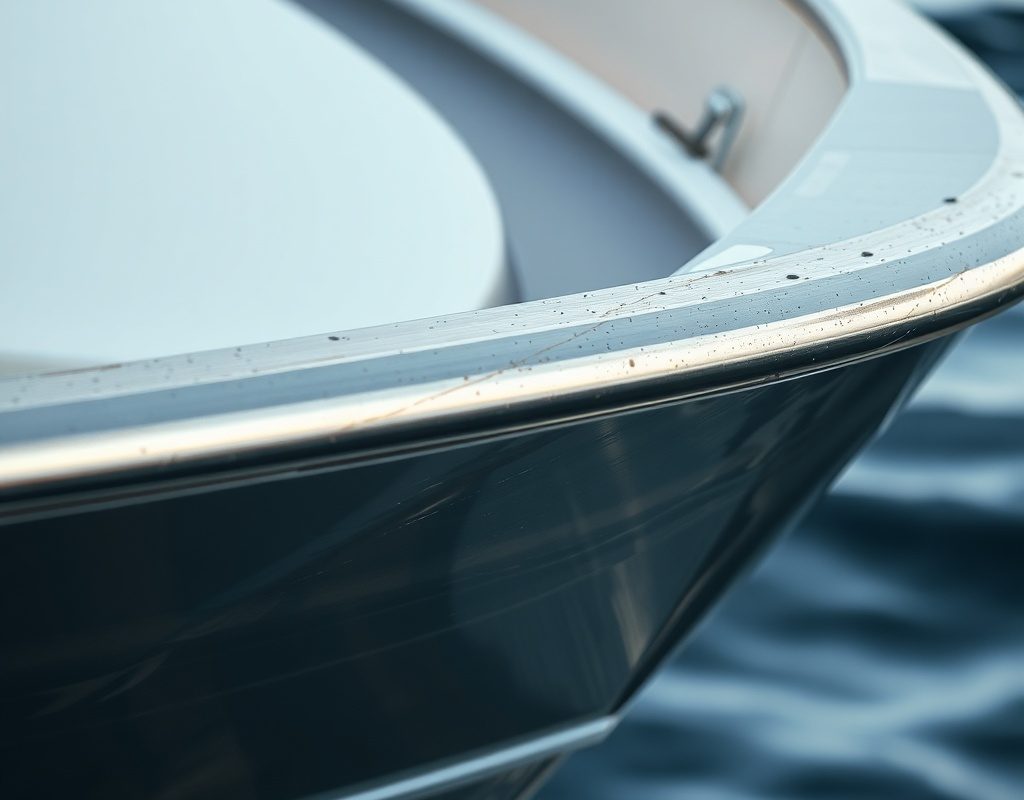
Aluminum boats have long captured the hearts of fishermen and lovers of river and even sea recreation. They are a very practical and sufficiently reliable means of transportation that requires minimal maintenance. Moreover, aluminum boats have many advantages compared to other watercraft.
This led to their great popularity and mass production, the peak of which in the former Soviet Union came in the mid-1970s. At that time, approximately 150,000 boats of various types and modifications, as well as aluminum motorboats, were produced annually.
Pros and Cons of Such Boats Today
Modern domestic watercraft are in great demand among various segments of the population because they can boast a contemporary appearance, quality materials, and manufacturing using Western technology, while their cost is significantly lower. Moreover, the multitude of advantages of such a purchase clearly justifies the purchase, and they include:
- sufficient structural strength;
- low weight;
- ability to find a boat in the desired price range;
- ease of maintenance;
- no need for mandatory painting;
- not susceptible to corrosion;
- can be equipped with a motor;
- ability to retrofit aluminum boats for a motor or install other equipment;
- can withstand quite large loads;
- ability to stand;
- can repair damage and even a hole fairly quickly without special skills.
Thanks to these advantages, the aluminum boat has become the most popular among others in the world. Of course, its relatively light weight is not quite as light as an inflatable boat, so for those who do not live near bodies of water, a personal vehicle with a trailer or a roof rack is needed for transportation.
The predominant number of its advantages makes this task worthwhile, as fishing in such a boat will bring much pleasure and will be very comfortable. Such boats can withstand weight several times their own, so you can travel on a body of water with the whole family or a group of friends. In turn, aluminum boats are divided into several subtypes:
- classic (ordinary);
- collapsible;
- lightweight (weighing no more than 40 kilograms);
- hybrid.
Each has its own strengths and weaknesses. It is clear that lightweight boats cannot boast of high cargo capacity, so they are primarily intended for fishing. They can also be used for trips on lakes. These are the ones you can find in large quantities for rides on bodies of water; usually they are two-seater and equipped with oars. Hybrid aluminum boats consist of an aluminum base and inflatable components.
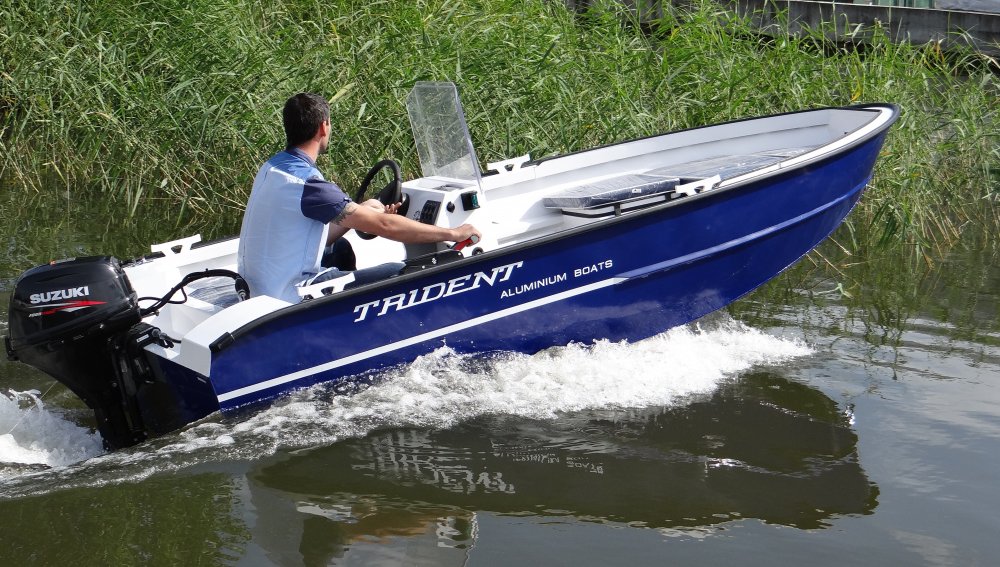
Production
The construction of aluminum boats begins with cutting parts on a rolling or milling machine. First, the aluminum sheet is completely leveled, then the system cuts out individual parts on it. After this, the parts are bent on another machine. The hull for such a boat is assembled on a matrix stand. There are several different ways to connect finished parts to each other. The older method involves assembly using rivets; today it is considered outdated and welding is mainly used instead.
Riveted assembly is good because it makes aluminum boats easier to repair even for a non-professional, but at the same time a boat made by welding is more reliable and requires no additional maintenance at all. The old rivet method has not fallen into oblivion; some companies that manufacture aluminum boats still use this method or reinforce the hull with rivets for added strength.
There is another method, the so-called lock fastening, in which parts are connected with profiled angles using special gaskets. Companies that use this method claim that it is more reliable, especially under heavy loads on the vessel, because the connecting parts gain the necessary flexibility.
All boats must receive the necessary structural rigidity; for this, structures installed lengthwise and crosswise are used. Such parts typically have hollow sections that are used as compartments for luggage, fuel tanks, or are filled with materials that provide additional buoyancy. They can play an important role in case of an emergency.
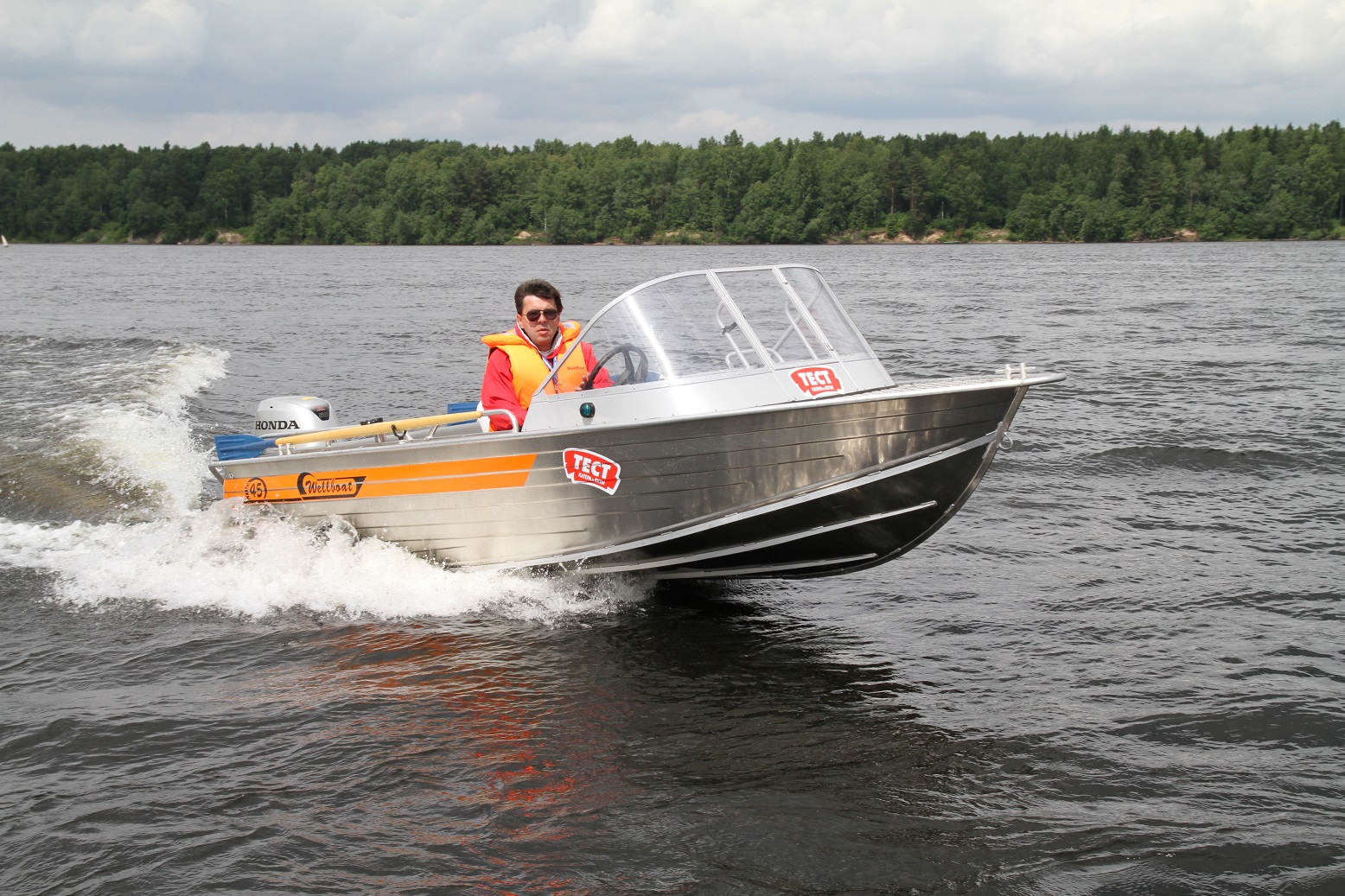
Repair of Aluminum Boats
Metal rolling enterprises most often produce sheets ranging from 1.5 to 6 millimeters in thickness. For more standard sizes of aluminum boats, where the length does not exceed 5 meters, a 2-millimeter thick sheet is used in most cases. Nevertheless, this, despite all measures to strengthen the hull, is a fairly thin thickness, so aluminum boats, like other metal vessels, can develop dents, which in most cases occur when the hull comes into contact with hard surfaces and the dent is directed inward.
To eliminate dents, a mallet is used to gently tap them out. However, specialists do not recommend this method, especially when the dent is minor. Because when attempting to straighten it, the metal deforms and becomes thinner. To reach some dents, you have to disassemble the hull covering and cut out buoyancy blocks.
If holes appear on the boat or rivets fall out, this problem can be solved by simply installing new ones or by screwing in a bolt with a nut. But there is a nuance here: when aluminum interacts with other metals, a corrosion process is more likely to begin, so you need to choose materials correctly. For this, for example, fluoroplastic or dielectric non-conductive materials are suitable. At least the gasket should be made of such material.
If the boat has holes or torn tears, you need to use a patch, which should be applied with rivets. An ideal patch should have a thickness no less than that of the boat’s hull, and for additional protection, you can apply nylon. It is best, if possible, to repair holes and apply patches from the inside of the hull.