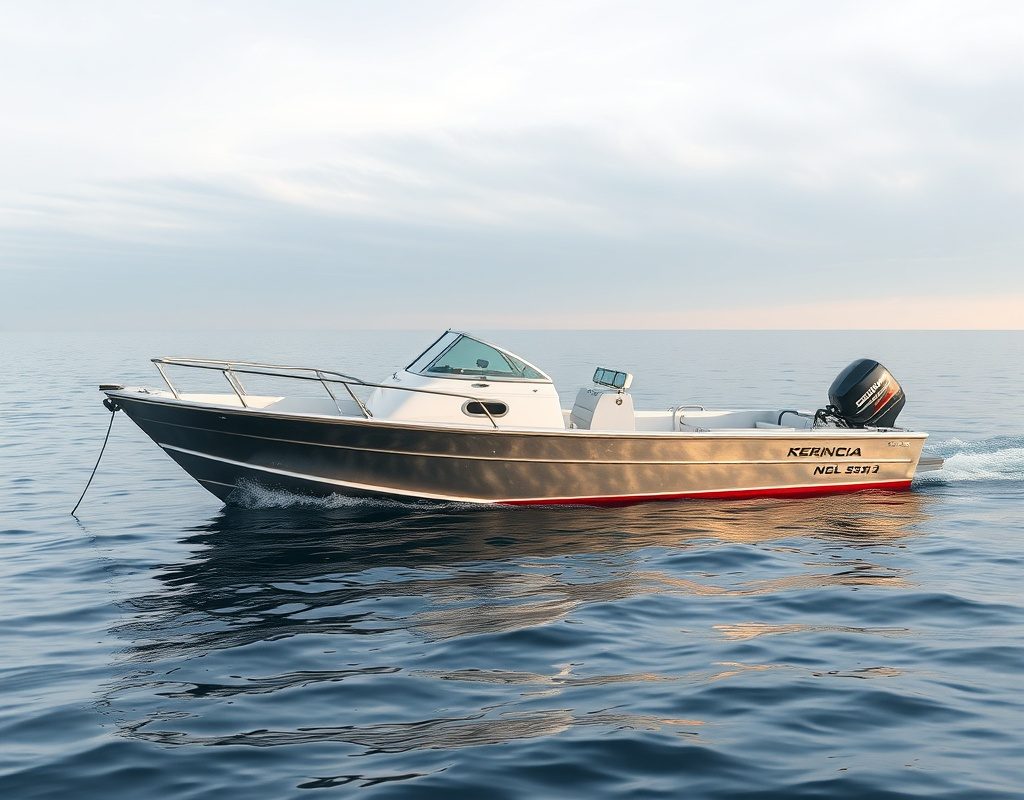
Aluminum boats are popular because they are light, tough, and relatively simple to maintain. They are used for fishing, utility work, lake cruising, shallow-water exploring, and small commercial jobs where a fiberglass hull would be heavier or more expensive to repair.
What makes aluminum boats different?
The main advantage is the material itself. Marine-grade aluminum has a high strength-to-weight ratio, so a well-built hull can be lighter than a comparable fiberglass boat while still handling daily abuse. That lower weight can make the boat easier to trailer, easier to launch, and more efficient with a modest outboard.
Aluminum also tolerates bumps, beaching, and contact with docks better than many owners expect. A dent is not ideal, but it is often less serious than a crack in gelcoat or laminate. For anglers and working boaters, that practicality matters more than a glossy finish.
Common types of aluminum boats
- Jon boats: flat-bottom utility boats for calm rivers, lakes, hunting, and shallow water.
- Deep-V fishing boats: sharper hulls designed for bigger lakes and choppier conditions.
- Mod-V bass boats: a compromise between shallow-water access and better handling at speed.
- Aluminum center consoles: versatile layouts for fishing, family use, and coastal utility work.
- Pontoons: aluminum tubes with large deck space for cruising and entertaining.
Advantages
The strongest reasons to choose aluminum are durability, low weight, and ownership cost. Aluminum boats generally need less cosmetic care than fiberglass boats, and small repairs can be straightforward if you have access to a qualified welder. They are also easier to tow with smaller vehicles, which can reduce the total cost of ownership.
For freshwater fishing, aluminum is often the default choice because it is practical. You can beach it, load gear without worrying about every scratch, and run it in areas where a heavier hull would be inconvenient.
Disadvantages
Aluminum is not perfect. It can be noisier on the water, especially in light flat-bottom boats. Some models ride harder in chop than heavier fiberglass alternatives. Corrosion can also be a problem if the boat is poorly maintained, incorrectly wired, or used in salt water without proper rinsing and anodes.
Another tradeoff is finish quality. Fiberglass usually wins for luxury styling, complex curves, and premium interiors. Aluminum boats are usually bought for function first.
What to check before buying
- Inspect welds, rivets, transom structure, and any signs of electrolysis or corrosion.
- Check whether the hull shape fits your water: flat bottoms for shallow calm water, deep-V for chop.
- Match engine size to load. Underpowered aluminum boats can feel safe at the dock and frustrating on the water.
- Look at storage, seating, livewell setup, deck layout, and trailer condition.
- For saltwater use, confirm that hardware, wiring, and maintenance history are suitable.
Bottom line
An aluminum boat is a smart choice when you want a practical, trailerable, easy-to-own boat for fishing, utility use, or relaxed cruising. Choose the hull type for the water you actually run, inspect corrosion carefully, and do not buy more boat than your engine, vehicle, and storage setup can support.