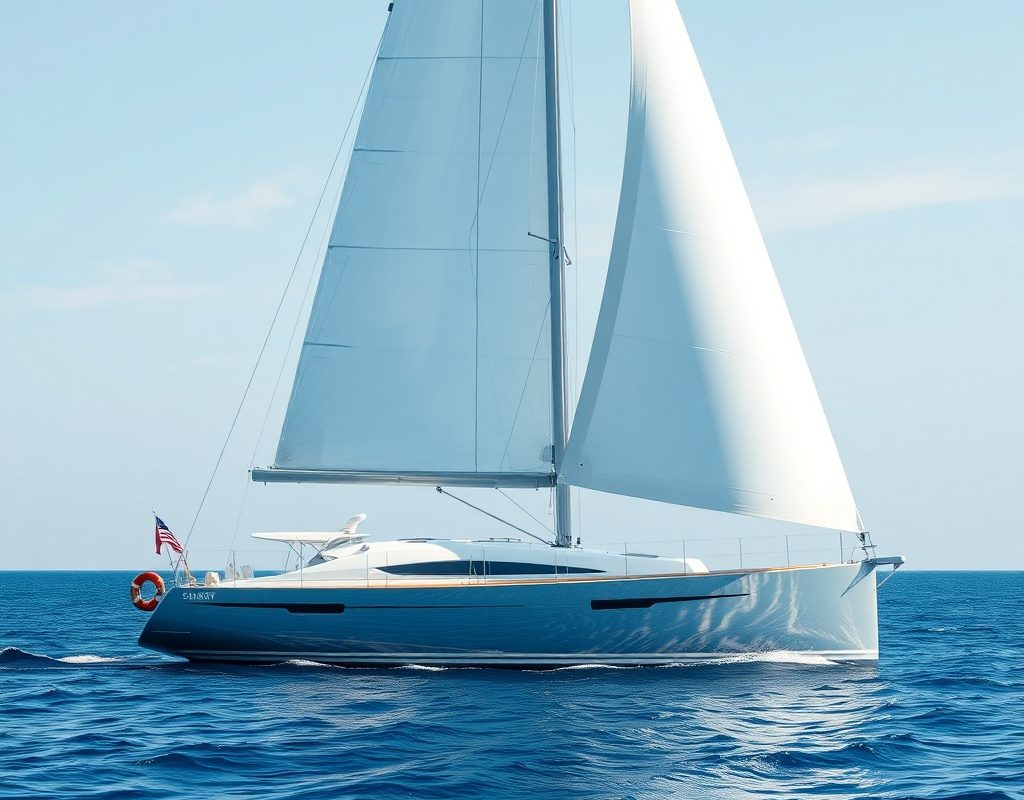
Yacht owners are increasingly turning their attention to aluminum sailing yachts due to the low cost of the material, ease of operation, and relative durability.
Such boats are purchased for personal use, since hull construction is quick. The vessel is also designed for operation in shallow water, in cold climate conditions, and mooring in unequipped locations.
Pros and Cons:
Aluminum as a material combines the best characteristics of steel, wood, and plastic, while lacking their disadvantages. For example, it increases the cargo capacity of the vessel and allows it to venture into the open sea in any weather conditions. Also, the metal is quite lightweight, which makes the boat fast and maneuverable.
The disadvantages of aluminum include the known softness of the material. Aluminum sailing yachts are easily deformed and damaged even from minor impacts or collisions. On the other hand, this allows the material to absorb impact energy and make collisions as safe as possible for passengers. Another disadvantage is the cost of the metal. However, considering that it is easily processed and used economically, quality boats cost many times less than steel or wooden vessels.
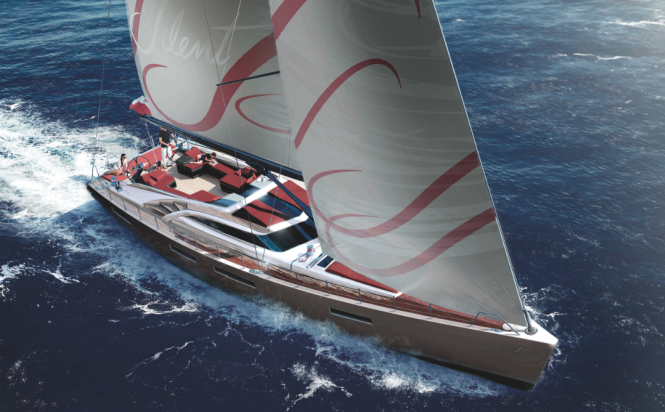
In modern shipbuilding, aluminum alloys with silicon and magnesium are used, which eliminate natural defects, such as corrosion susceptibility and softness.
Once the vessel enters service, the owner must regularly monitor the condition of the hull: perform scheduled painting, fix defects, and apply anti-corrosion treatment as needed. It is also necessary to prevent contact between aluminum and other metals (steel, copper, cast iron, lead, etc.) using rubber gaskets, which will significantly reduce the risk of corrosion.
It is known that aluminum sailing yachts are manufactured to order, but mass production is also possible.