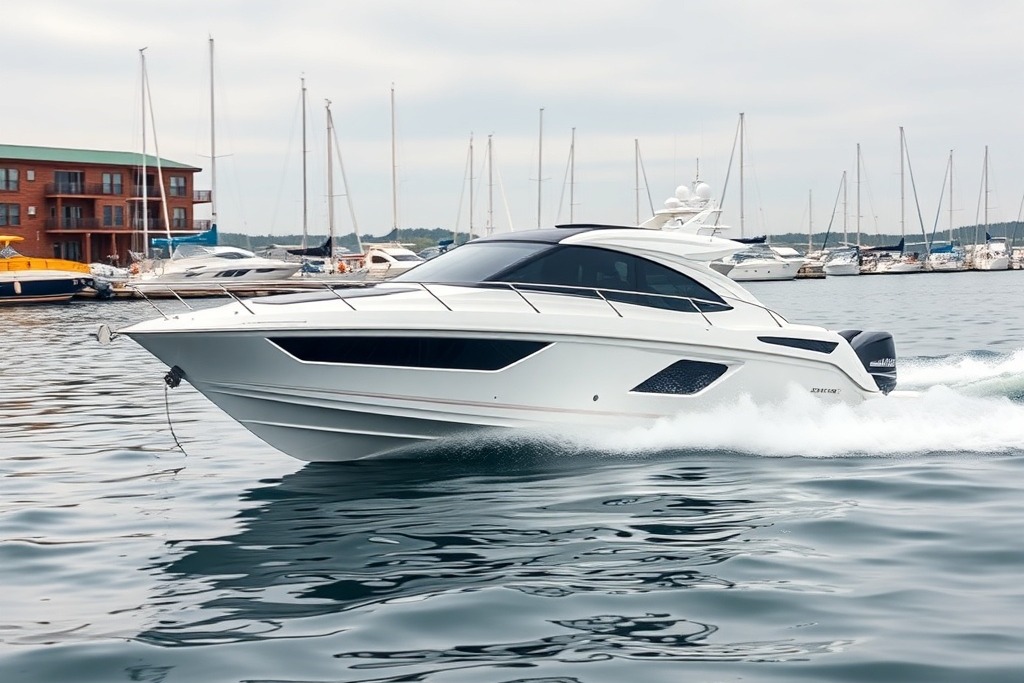
Fiberglass powerboats are motorized boats built with reinforced fiberglass hulls, valued for their smooth finish, efficient shapes, and balanced mix of performance, comfort, and long-term durability.
For recreational buyers, fiberglass remains the dominant material in many segments because it supports refined hull design, good resale demand, and flexible layouts from sport runabouts to family cruisers. The best fiberglass powerboat is not the most expensive one—it is the model whose hull style, engine package, and maintenance profile match your real boating pattern.
Why Fiberglass Is Still the Standard for Powerboats
Hydrodynamic flexibility
Fiberglass molding allows precise hull geometries that improve ride quality, fuel efficiency, and tracking behavior at speed.
Comfort and finish quality
Compared with basic aluminum layouts, fiberglass boats often deliver quieter rides, cleaner lines, and more premium interior detailing.
Repair ecosystem
In most US boating markets, fiberglass repair specialists are widely available. Cosmetic and structural repairs are usually feasible if issues are identified early.
Top Fiberglass Powerboat Brands and Models (2024–2025)
Sea Ray
Sea Ray remains a benchmark for family-friendly layouts and broad dealer support. Popular lines include sport bowriders and cabin-ready cruiser options.
Chaparral
Chaparral boats are known for practical deck flow and reliable performance packages. A strong choice for mixed use: cruising, watersports, and entertaining.
Regal
Regal often appeals to buyers wanting a premium design feel and refined onboard comfort. Good fit for owners who value cabin and cockpit finish quality.
Boston Whaler
Famous for safety reputation and solid offshore confidence in suitable models. Often selected by buyers who prioritize build quality and resale resilience.
Hull Types: Which One Fits Your Water and Lifestyle?
Deep-V hull
Best for rougher chop and higher-speed confidence. Trades some low-speed stability for better wave-cutting behavior.
Modified-V hull
Middle ground for mixed inland/coastal use. Often preferred by weekend users needing balance between comfort and efficiency.
Stepped hull (performance-oriented)
Designed for speed and lift at planing velocities. Can improve top-end efficiency but may demand more experienced handling.
What to Compare Before You Buy
Intended operating environment
Lake-only use, intracoastal cruising, and occasional offshore runs require different hull and freeboard priorities.
Engine package and fuel profile
Engine matching should be based on expected load, cruising speed, and run distance—not just peak horsepower.
Weight and trailer setup
Make sure tow vehicle and trailer brakes are properly matched to fully loaded boat weight, not dry brochure weight.
Storage and ownership logistics
Slip fees, winterization needs, and haul-out logistics can change annual cost more than monthly fuel spend.
Fiberglass Maintenance: Keep Value, Avoid Big Repairs
Gelcoat care
Wash with marine-safe soap, remove salt residue quickly, and apply wax/protectant on schedule to prevent oxidation.
Hull and deck inspections
Check for cracks, stress marks near fittings, and moisture intrusion signs around through-hull hardware and transom penetrations.
Bilge and drainage discipline
Standing water accelerates avoidable wear. Keep bilge clean, dry, and mechanically functional.
Engine + fuel system routine
Follow service intervals strictly. For seasonal boats, fuel stabilization and proper off-season prep are non-negotiable.
New vs Used Fiberglass Powerboats
New boat advantages
- Warranty and cleaner baseline condition
- Latest helm tech and safety packages
- Lower early surprise-repair risk
Used boat advantages
- Better upfront value
- Slower first-owner depreciation hit
- Potential access to premium models within budget
For used purchases, always include compression checks, moisture scan where relevant, and full sea trial at operating speed.
Decision Framework for Buyers
Use this order to avoid expensive mismatches:
- Define your 80% use case (family cruise, sport, offshore, mixed)
- Select hull type for your water conditions
- Match engine to normal load, not empty-boat specs
- Confirm annual ownership budget (service, storage, insurance)
- Choose brand/model with local dealer support
When these five points align, brand preference becomes the final polish—not the decision anchor.
FAQ
Are fiberglass powerboats high maintenance?
They require regular care, but maintenance is predictable when scheduled. Neglect is what makes ownership expensive.
Which hull is best for choppy water?
Deep-V hulls are generally strongest in chop and open-water comfort.
Is Boston Whaler only for offshore use?
No. Many owners use Whalers in mixed environments, but model selection should match your dominant water conditions.
Do fiberglass boats hold resale value?
Well-maintained models from strong brands usually retain value better than neglected boats, regardless of brand tier.
What matters most on a used fiberglass boat inspection?
Hull/transom integrity, engine health, moisture indicators, and sea trial behavior under load.
Used Fiberglass Powerboat Inspection Priorities
If you are buying used, focus on three systems first: structure, propulsion, and electrical reliability. Ask for engine service history, inspect transom and stringer areas for stress signs, and verify bilge pumps, lights, and helm electronics under load. Cosmetic scratches are negotiable; hidden structural or electrical neglect is not.
Sea trial should include idle behavior, acceleration, cruising vibration, trim response, and restart reliability after shutdown.
Ownership Budget Snapshot
- Annual engine service and fluids
- Hull cleaning and seasonal detailing
- Storage, mooring, and winterization
- Insurance based on usage area and horsepower
Building this budget before purchase keeps expectations realistic and prevents forced resale after the first season.
Local dealer support quality should be part of your shortlist from day one.