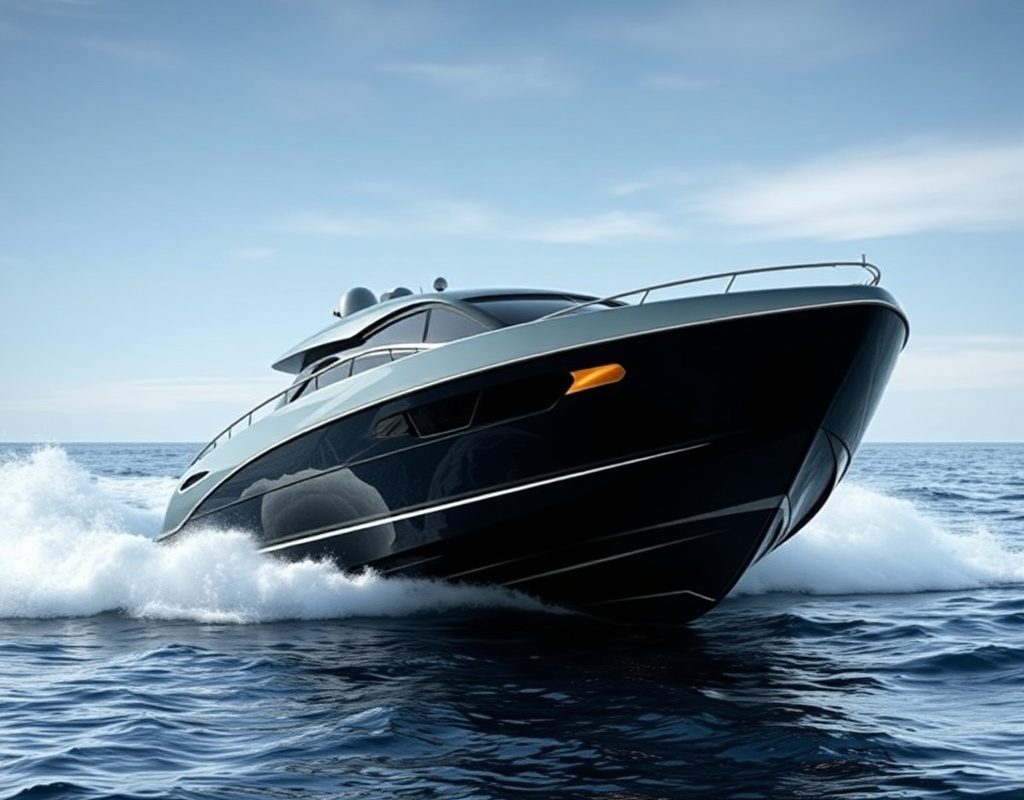
Sport class yachts were developed with the aim of objectively evaluating and comparing racing achievements. The indicators of each specific vessel depend directly on its inherent characteristics.
Yacht class: what forms the basis
Sailing vessels are divided into classes by type and size. The size and weight, functional characteristics of the hull and equipment, safety indicators, and sailing capabilities are taken into account.
Navigation conditions and the level of technological advancement determine the type of yacht.
Size is established according to criteria using measurement certificates and unified measurement rules.
Classification allows for establishing restrictive boundaries that affect the sailing characteristics and seaworthiness of the vessel. Restrictions apply to the following parameters:
- length (the shorter the vessel, the higher the hull resistance, which in turn reduces speed);
- width (affects resistance and stability of the vessel);
- draft (indicates the tacking properties and maneuverability of the yacht, the ability to sail close to the wind at a sharp angle);
- sail area (affects speed);
- weight (the greater the weight, the higher the water resistance during movement and the better the stability);
- freeboard height (the lower it is, the less the vessel is suited for long voyages).
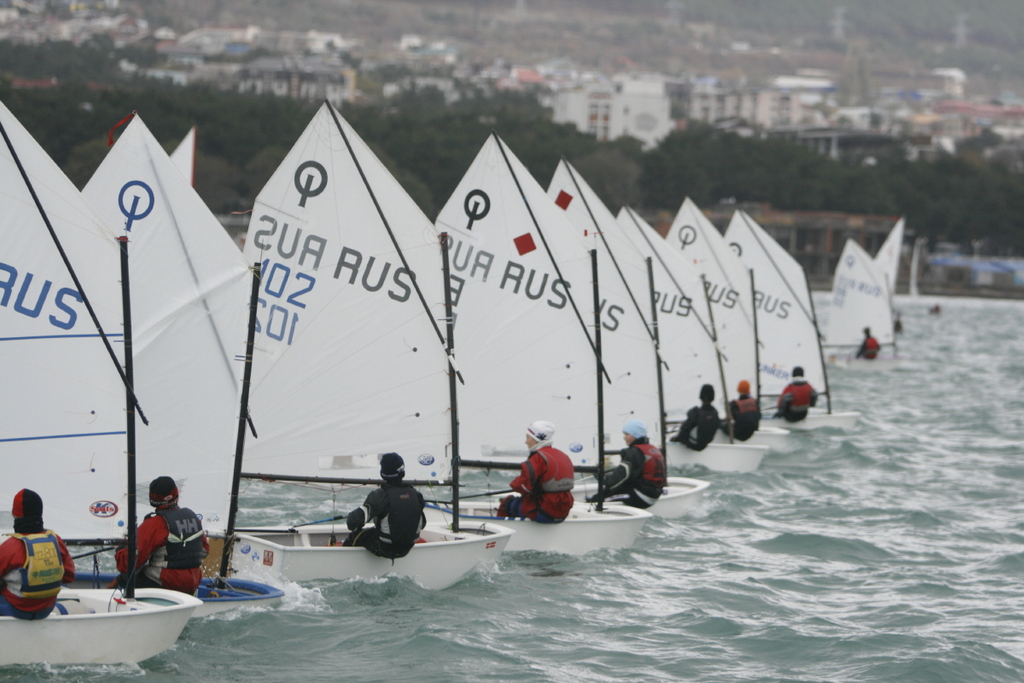
Sport class yachts
- Free classes. Restrictions are set on vessel dimensions, while the hull shape can be any.
- Formula classes. Restrictions are based on measurement formulas that establish a racing rating for the vessel (in meters or feet). Vessels of the same class with identical ratings participate in competitions.
- Handicap classes. Also based on measurement formulas, but vessels with different racing ratings may participate in races. In this case, the winner is determined by a corrected time formula (actual time to complete the distance multiplied by the coefficient of the specific racing rating).
- Monotypes. Competitions are held between yachts built according to identical designs in compliance with specific requirements for technology and measurement (essentially identical vessels).
- There also exist national and international classes, characteristic of various countries and water bodies.